

Biochar for Soil Health: How This Sustainable Product Enhances Agriculture
What is Biochar?
Biochar is a form of charcoal that is produced by heating organic material (such as agricultural waste, wood, or biomass) in a low-oxygen environment through a process known as pyrolysis. The result is a stable, carbon-rich product that can be used for a variety of applications, most notably as a soil amendment.
How can we prepare a Biochar?
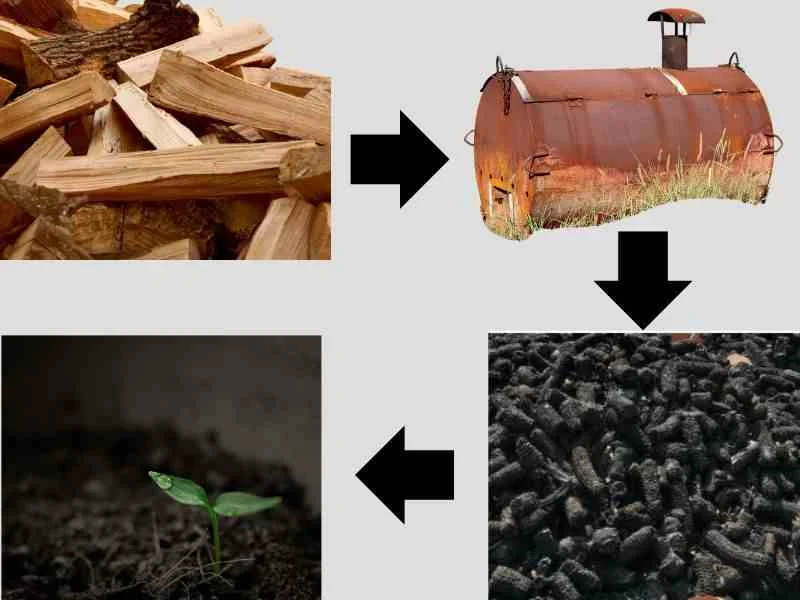
- Prepare Biomass: Use dry organic material like wood, leaves, or crop residues. Chop it into smaller pieces.
- Set Up a Kiln or Drum: Use a metal drum or build a small kiln. Ensure it’s sealed to limit oxygen.
- Heat the Biomass: Place the biomass inside, and heat it in a fire to reach temperatures between 300°C–700°C, without allowing full combustion (pyrolysis).
- Monitor the Process: Let it cook for several hours. You’ll see gases being released as it transforms into biochar.
- Quench the Biochar: Once fully processed, cool the biochar by adding water to stop the pyrolysis.
- Store or Grind: Let the biochar cool, then store it or grind it into finer pieces for use in soil or other applications.
How does biochar enrich soil fertility for sustainable agriculture?
Biochar enrich soil fertility and support sustainable agriculture in several ways
1. Improves Soil Structure
Biochar helps to improve soil structure by increasing its porosity. This enhances soil aeration, allowing plant roots to grow more easily and access oxygen. It also helps with water retention, reducing the risk of drought by holding moisture in the soil.
2. Enhances Nutrient Retention
Biochar has a high surface area and many micropores, which can adsorb and retain nutrients such as nitrogen, phosphorus, and potassium. This prevents nutrients from leaching out of the soil and makes them more available to plants. This reduces the need for chemical fertilizers, promoting sustainable farming practices.
3. Boosts Microbial Activity
The porous nature of biochar provides a habitat for beneficial soil microorganisms, such as bacteria and fungi. These microbes play an essential role in nutrient cycling, organic matter decomposition, and enhancing plant growth by forming symbiotic relationships with plant roots.
4. Improves Soil Fertility
Biochar helps increase the fertility of poor, degraded soils by improving their nutrient-holding capacity and providing a stable environment for soil organisms. Over time, this results in healthier, more productive soils.
5. Carbon Sequestration
By locking carbon in the soil for centuries, biochar helps mitigate climate change, contributing to soil health without releasing greenhouse gases. This long-term storage of carbon also helps improve soil’s organic matter content, further enhancing soil fertility.
6. Reduces Soil Erosion
Biochar helps to stabilize the soil and reduce erosion. It can improve the soil’s ability to retain water, which decreases runoff and erosion caused by heavy rains, thereby helping maintain topsoil health.
Safety Tips:
- Ventilation: Ensure that you are working in a well-ventilated area. The pyrolysis process generates gases, and while most are safe if vented, you should avoid inhaling fumes directly.
- Use Protective Gear: Wear gloves, goggles, and appropriate clothing to protect yourself from the heat and potential sparks.
- Supervision: Never leave the pyrolysis process unattended. Keep a fire extinguisher nearby in case of emergencies.
Disadvantages:
- Carbon Emissions: Pyrolysis can release gases, potentially offsetting some environmental benefits.
- Risk of Overuse: Excessive use can lead to nutrient imbalances and harm plants.
- Soil Salinity: Biochar made from saline materials can increase soil salinity if overused.
- Not a Complete Solution: It doesn’t address all agricultural problems and should be used alongside other sustainable practices
For natural and organic farming you can use Anaerobic composting Bag
Conclusion:
Biochar is a valuable tool for improving soil health, enhancing nutrient retention, and supporting sustainable agriculture by sequestering carbon and boosting crop yields. While it offers significant environmental and agricultural benefits, such as improving soil structure and microbial activity, it also has drawbacks, including high production costs, variability in quality, and potential impacts on soil pH. Despite these challenges, when used properly, biochar can play a key role in sustainable farming practices and climate change mitigation.
Leave a Reply
Want to join the discussion?Feel free to contribute!