
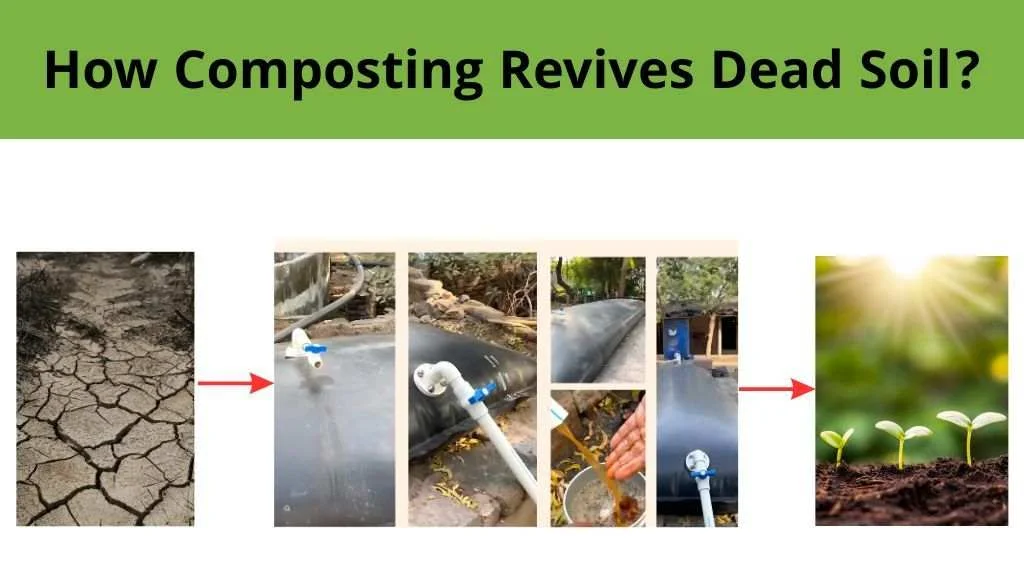
The Hidden Power of Soil Microbes: How Composting Revives Dead Soil
In modern farming, the soil is often treated like a surface to grow crops but in truth, it’s a living ecosystem. Healthy soil is full of billions of microorganisms, bacteria, fungi, and microbes that work silently to feed your crops, fix nitrogen, and maintain fertility.
However, years of chemical fertilizers, pesticides, and stubble burning have destroyed this life beneath the surface, leaving our soils dry, compact, and “dead.”
The good news? These living microbes can be brought back to life through natural composting, especially with anaerobic composting bags that help preserve their beneficial power.
What Makes Soil Alive?
Soil is not just sand and minerals, it’s a living world.
A single teaspoon of healthy soil can contain more microbes than there are people on Earth!
These tiny organisms perform crucial roles:
- Decompose organic matter like crop residue and dung.
- Fix nitrogen and make it available to plants.
- Improve soil structure by binding particles together.
- Fight harmful pathogens naturally.
- Maintain moisture and aeration for roots.
When these microbes thrive, your crops grow stronger, your yield improves, and your farm becomes sustainable.
The Problem: Dead Soil

Overuse of chemical fertilizers and pesticides kills microbial life.
Farmers notice that even after using fertilizers, crops don’t grow as well as before this is because the soil biology has been lost.
Symptoms of dead soil include:
- Hard, compact structure
- Poor water absorption
- Reduced fertility despite inputs
- Increased pest and disease attack
- Weak root systems
This is where composting, especially anaerobic composting comes to the rescue.
How Composting Revives Soil Microbes

Composting is nature’s recycling system. When organic waste like crop residue, cow dung, or kitchen waste decomposes, it releases nutrients and revives microbial life.
Unlike open composting (which loses nutrients and attracts pests), anaerobic composting happens in a sealed bag, without oxygen.
This method:
- Creates an ideal environment for beneficial anaerobic microbes
- Conserves nutrients that would otherwise escape
- Produces nutrient-rich compost and compost tea (liquid fertilizer)
- Reduces foul smell and flies
When you mix this compost into your soil, it reintroduces billions of living organisms, the true healers of the land.
The Role of Anaerobic Composting Bags

Anaerobic composting bags make the process easy, clean, and efficient for every farmer.
Here’s how they help:
- Controlled Microbial Activity:
The sealed design ensures a stable environment where microbes multiply faster. - Nutrient-Rich Output:
The compost produced contains active microorganisms, organic carbon, and humic acid all vital for soil regeneration. - Liquid Compost (Compost Tea):
The by-product liquid is a natural bio-fertilizer that enhances soil microbes and plant growth. - Waste-to-Wealth:
Cow dung, crop residue, and kitchen waste turn into high-quality manure instead of being burnt or dumped. - Zero Pollution:
No smoke, no runoff just pure organic recycling that restores soil health.
The Result: Living, Fertile Soil

When compost from anaerobic bags is applied, farmers observe:
- Softer, more porous soil
- Better root development
- Increased earthworm activity
- Reduced need for chemical fertilizers
- Long-lasting soil fertility
This revival is not instant but it’s natural, permanent, and sustainable.
Conclusion: Heal the Soil, Heal the Earth
Healthy soil means healthy crops, healthy people, and a healthy planet.
By using anaerobic composting bags, farmers are not only managing waste efficiently they are reviving life beneath their feet.
Every handful of compost you add is like returning thousands of lost microbes back home.
So next time you look at your field, remember the real strength of your farm lies not above the soil, but within it.
Leave a Reply
Want to join the discussion?Feel free to contribute!