
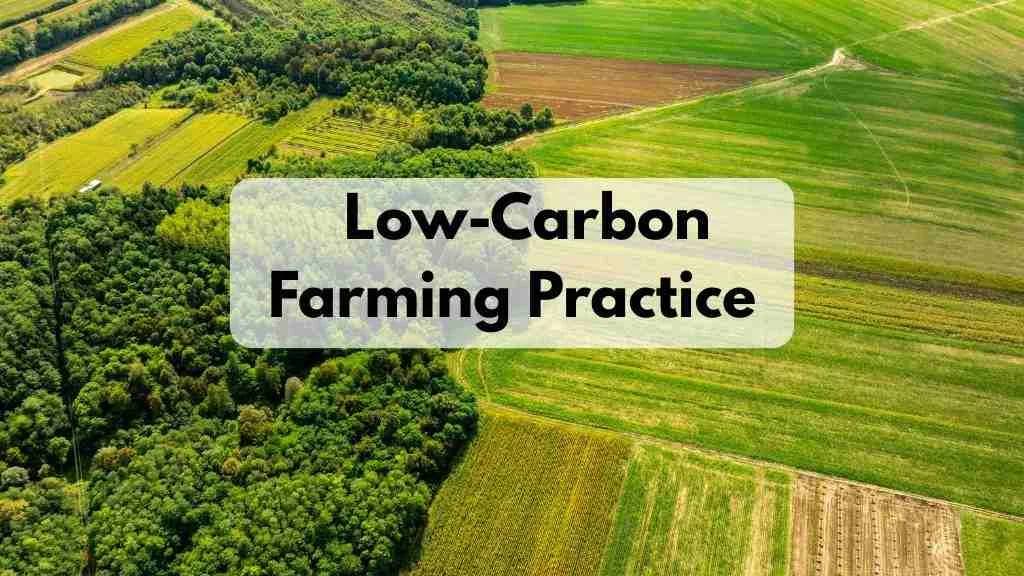
Low-Carbon Farming Practices That Increase Profit and Protect the Planet
In the modern agricultural world, farmers face a unique challenge, how to feed the growing population while protecting the environment. The answer lies in low-carbon farming, a method that minimizes greenhouse gas emissions, restores soil health and creates a profitable and sustainable future.
Let’s explore in depth how low-carbon practices, including the use of anaerobic composting bags, can help farmers grow better, earn more, and save the planet at the same time.
What Is Low-Carbon Farming?
Low-carbon farming means adopting agricultural practices that reduce carbon emissions, increase carbon storage in the soil, and minimize the use of non-renewable resources.
In simple words it’s a way of farming that keeps nature in balance. It focuses on:
- Reducing waste and pollution
- Using renewable resources
- Maintaining soil fertility naturally
- Increasing farmer income sustainably
According to the Food and Agriculture Organization (FAO), agriculture contributes nearly 24% of global greenhouse gas emissions, mainly from fertilizer use, livestock, and crop residue burning. Shifting to low-carbon methods can dramatically reduce this impact.
1. Turning Farm Waste into Wealth with Anaerobic Composting

One of the largest sources of carbon emissions in agriculture comes from crop residue burning and improper waste disposal. Every year, millions of tons of straw, husk, and dung are burnt in open fields, releasing CO₂ and methane into the atmosphere.
Anaerobic composting bags provide a simple, cost-effective, and eco-friendly solution.
How Does It Works?
- Organic waste such as cow dung, crop residues, and kitchen scraps are placed inside a sealed anaerobic composting bag.
- The waste decomposes without oxygen, producing:
- Nutrient-rich organic compost
- Liquid fertilizer known as compost tea
- Minimal odor and zero smoke
Benefits
- Prevents air pollution caused by burning
- Converts waste into valuable fertilizer
- Improves soil fertility and water-holding capacity
- Reduces dependence on chemical fertilizers
With anaerobic composting bags, waste becomes a resource, not a problem.
2. Smart Water Management: Saving Every Drop
Water is the lifeblood of farming but overuse of water also leads to energy consumption and soil degradation.
Low-Carbon Water Practices
- Drip and sprinkler irrigation: Saves up to 50% of water and reduces fuel use for pumping.
- Rainwater harvesting: Stores natural water for future use.
- Mulching: Prevents evaporation and keeps soil moisture intact.
Efficient water management not only reduces carbon emissions but also cuts irrigation costs, making farming more profitable.
3. Livestock Waste Management for Methane Reduction
Livestock, especially cows and buffaloes, emit methane gas, one of the most potent greenhouse gases. However, this waste can be managed smartly.
By using anaerobic composting bags or biogas plants, farmers can convert dung into:
- Bio-fertilizer, which enriches the soil
- Biogas, which can power stoves and water pumps
This reduces emissions, provides renewable energy, and decreases dependency on fossil fuels.
Result: Cleaner farms, renewable energy, and extra savings.
4. Organic Fertilizers Over Chemical Inputs

Chemical fertilizers and pesticides not only emit greenhouse gases but also degrade soil health over time. Switching to organic compost, vermicompost, or bio-slurry helps build a living soil full of microbes and organic carbon.
Benefits of Organic Inputs
- Keeps the soil fertile and alive
- Reduces groundwater contamination
- Enhances crop nutrition naturally
- Lowers production costs
The compost tea produced in anaerobic composting bags works as a natural liquid fertilizer that promotes healthy crop growth and pest resistance.
5. Crop Rotation and Cover Cropping

Crop rotation planting different crops in sequence helps maintain soil fertility and reduces pest buildup. Cover crops such as legumes (like moong or clover) fix nitrogen in the soil and prevent erosion. When these crops decompose, they increase soil carbon levels, which in turn stores carbon underground, helping fight climate change.
Example
After harvesting wheat, planting green gram or cowpea before the next crop cycle helps the soil recover and grow richer.
6. Renewable Energy on Farms
Energy is a major contributor to carbon emissions. Using solar-powered irrigation pumps, solar dryers, and biogas for daily farm operations can significantly reduce carbon footprint.
In fact, many progressive farmers now use solar panels to power their milking machines, pumps, and cold storage units saving thousands in electricity bills each year.
Biogas, generated from anaerobic composting of dung, is another excellent renewable energy option that fits perfectly into a circular farming system.
7. Agroforestry: Trees as Carbon Sinks
Planting trees around and within farms (known as agroforestry) helps absorb atmospheric carbon and enhances biodiversity.
Trees provide shade, prevent soil erosion, and act as windbreaks improving crop quality while helping capture carbon dioxide naturally.
Bonus: Fruit-bearing trees add another source of income for farmers.
8. Reduced Tillage and Conservation Farming
Traditional deep tilling releases stored carbon from the soil into the air. Reduced or zero tillage methods preserve soil carbon and maintain microbial life.
It also saves fuel, reduces labor costs, and keeps soil structure intact leading to better moisture retention and healthier crops.
9. Economic Benefits of Low-Carbon Farming

Many farmers believe that eco-friendly farming might reduce profits, but the reality is the opposite.
Here’s how it helps your bottom line
- Lower input costs – less fertilizer, pesticide, and fuel usage
- Better soil = better yields – healthy soil means higher productivity
- Organic market opportunities – premium prices for eco-certified produce
- Carbon credits – farmers adopting sustainable practices can earn income through carbon trading programs
Over time, low-carbon farming leads to resilient farms, better profitability, and improved food security.
10. Anaerobic Composting Bags: A Key to Carbon-Smart Agriculture
Among all sustainable tools, anaerobic composting bags are one of the most powerful innovations for modern farmers.
They combine traditional composting wisdom with modern technology to ensure zero waste, zero pollution, and maximum soil benefit.
By using these bags, farmers can manage crop residue, cattle dung, and household organic waste efficiently, creating a closed-loop farming system that produces its own fertilizers and energy.
Conclusion: Farming for the Future
Low-carbon farming is not just a trend, it’s the path to a sustainable, profitable, and eco-friendly agriculture system.
By adopting simple methods like composting, renewable energy use, and soil conservation along with innovative tools like anaerobic composting bags farmers can protect the planet while improving their livelihoods.
Each small step from managing waste wisely to planting trees contributes to a larger mission:
A cleaner earth, healthier soil, and a better tomorrow.
Leave a Reply
Want to join the discussion?Feel free to contribute!