
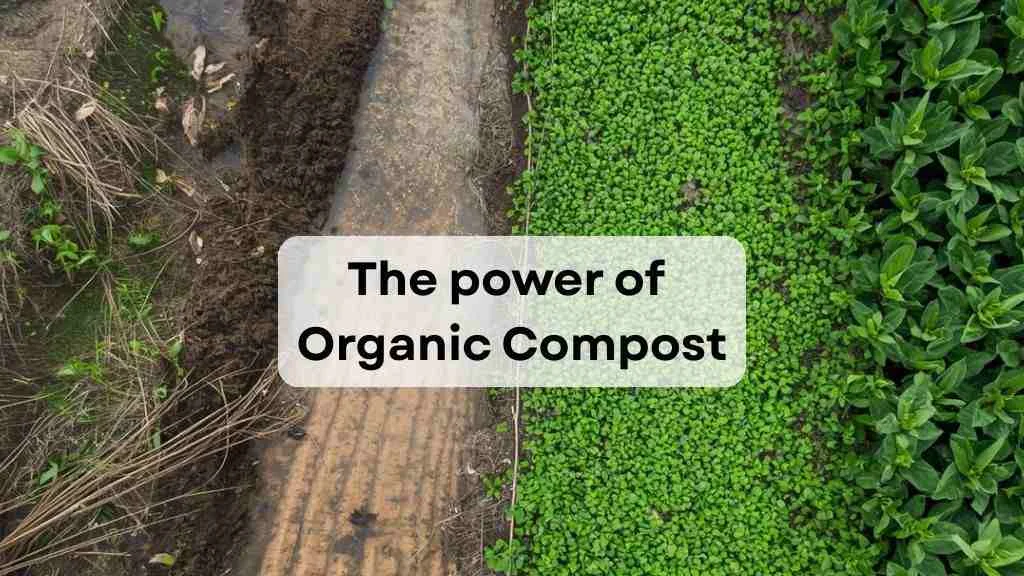
The Role of Organic Compost: Protecting Groundwater from Chemical Runoff
In modern agriculture, one hidden but serious issue is groundwater contamination. When chemical fertilizers and pesticides are used indiscriminately, nutrients (like nitrogen and phosphorus) and agro-chemicals can leach through the soil and pollute underground water reserves. Over time, this threatens drinking water quality, human health, and the environment.

The good news? Using organic compost (including compost produced via methods such as anaerobic composting bag) helps reduce chemical runoff and protects groundwater while improving soil and crop health.
Why Does Groundwater Get Polluted?
- When synthetic fertilizers are applied in large amounts, nutrients that plants don’t immediately use remain in the soil. Rainfall or irrigation can cause these excess nutrients to move downward into groundwater.
- Runoff over the surface during heavy rains carries fertilizers, pesticides and sediment into streams and rivers, eventually impacting groundwater and aquifers.
- Soil that has lost structure and organic matter cannot absorb water well, leading to more seepage and leaching of pollutants.
In short: weak soil + heavy chemicals = high risk for groundwater pollution.
How Organic Compost Helps Protect Groundwater

1. Slow-Release Nutrients
Compost supplies nutrients gradually rather than in a single burst like many chemical fertilizers. This means fewer nutrients are left unused and vulnerable to leaching.
2. Improved Soil Structure and Water Infiltration
Compost adds organic matter which improves soil porosity and its ability to hold water. When soil absorbs water well, there’s less surface runoff and less downward movement of pollutants into groundwater.
3. Increased Nutrient Retention
Organic matter binds nutrients and slows their movement. Studies show compost-amended soils reduce nutrient loss into groundwater and surface water.
4. Reducing Dependency on Chemical Inputs
As compost improves fertility and soil health, farmers rely less on synthetic fertilizers reducing the potential for chemical leaching.
Practical Steps for Farmers
- Replace part of chemical fertilizer use with well-matured organic compost to reduce risk of nutrient leaching.
- Apply compost at appropriate rates and timing to match crop needs to avoid applying large amounts just before heavy rains.
- Improve soil organic matter regularly (e.g., by applying compost every season) to build resilience.
- Combine compost use with cover crops and crop rotation to capture residual nutrients and prevent leaching.
- Maintain buffer strips and avoid applying amendments near water bodies or wellheads to protect groundwater directly.
Benefits Beyond Groundwater Protection
- Healthier soil, better crop yields, and reduced cost of inputs.
- More resilience against drought and heavy rainfall because compost-rich soils retain moisture and absorb water better.
- Cleaner environment, healthier water and stronger long-term farm sustainability.
Important Considerations
While compost has many benefits, it’s not a complete solution unless managed well. Oversupplying even organic nutrients, applying compost on unsuitable soils or timing it poorly can still lead to leaching.
So, compost must be part of a holistic soil-and-water management strategy.
Conclusion
Protecting groundwater is not just an environmental act, it’s smart agriculture. By using organic compost, you build soil health, reduce chemical dependence, lower the risk of groundwater contamination, and grow stronger crops. Every handful of quality compost is a step toward purer water, healthier farms, and a sustainable future.
If you’re serious about sustainable farming, start giving compost the place it deserves in your fields and let your groundwater stay clear, clean, and safe.
Leave a Reply
Want to join the discussion?Feel free to contribute!