

Easy homemade fertilizer for home gardening
In day-to-day life, many people have a hobby of home gardening. Fertilizers provide essential nutrients to plants, improving soil health and boosting growth. Instead of using chemical fertilizers, homemade organic fertilizers are a natural, cost-effective and eco-friendly alternative. They are easy to make using kitchen scraps, cow dung, compost and other natural ingredients. You can make natural fertilizer at the comfort of your home with natural ingredients easily available.
Read below how to make cost effective, yet effective jaivik fertilizers that will help your garden bloom. There are some easy homemade fertilizers mentioned below.
1) Used tea
Used tea leaves can be used as a homemade fertilizer in a number of ways:
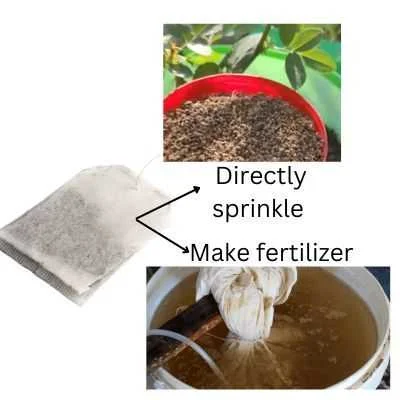
Application:
- Compost: Add tea leaves directly to your compost area.
- Mix with soil: Mix tea leaves with soil before planting.
- Sprinkle on flower: Sprinkle tea leaves directly onto the flower.
- Make fertilizer tea: Wash used tea until milk and sugar are removed approx.3 to 4 times then add it to water and after 24hrs, Tea water can be applied on plants.
- Use tea bags: Steeped tea bags can also be used as fertilizer. As the tea leaves and bag break down, they release nutrients into the soil. However, tea should only be used on plants that like acidic soil.
Tea leaves contain nitrogen, phosphorus and potassium which can help plants retain water and growth.
2) Banana peel fertilizer
Banana peels are a natural fertilizer that can be used in many ways to help plants grow.

Applications:
- Add to compost: You can add banana peels to your compost.
- Use as mulch: Place banana peels around the base of your garden or directly on top of pot plant soil. As the peels decompose, they will release nutrients into the soil.
- Make fertilizer water: Strain the liquid from banana peels and use it to water your plants. You can also ferment banana peels in water and use a spray bottle to apply the water to the soil.
- Make dried fertilizer: Lay banana peels out to dry in a warm, dry place until they are black and crispy. You can then chop them up and use them as fertilizer.
- Bury in soil: Bury banana peel chips or powder in garden soil or pot plants.
Banana peels are rich in nutrients that can help plants, including:
- Potassium: Helps encourage bright blooms.
- Phosphorus: Helps with roots and shoots.
- Magnesium: Helps with photosynthesis.
3) Egg shell

Application:
Direct application:
- Dry them completely.
- Crush sells into a fine powder using a blender, food processor or mortar and pestle.
- Sprinkle the powder around the base of plants or mix it directly into the soil.
Composting:
- Add clean, dried eggshells to your compost pile.
- The shells will break down and add calcium to the compost.
Liquid base application:
- Crush eggshells into small pieces.
- Soak the crushed shells in a container or water for a few days.
- Strain out the solids and use the liquid as a plant spray or watering solution.
Notes:
- Don’t overdose it: While beneficial, too much calcium can be harmful to plants.
- Suitable plants: Eggshells are especially beneficial for plants susceptible to calcium deficiency, like tomatoes, peppers and eggplants.
- Clean shells: Always wash eggshells before using them to remove any residual bacteria.
4) Garlic peel fertilizer

Application:
Here are some ways to use garlic peels as a fertilizer:
- Garlic water: Peel, crush, blend, or cut garlic cloves and add them to a container of water. Let the mixture sit in a cool, dark place for at least a day, or up to two to three days for better results. Strain the mixture before using it to water your plan.
- Garlic peel tea: Place garlic peels in a container, add water, mix, and let it sit for 24 hours. Store the mixture in a cool, dry place away from sunlight.
- Layer the peels: You can directly layer the peels on top of the soil.
- Add to compost: Garlic peels can be added to a compost pile to break down and enrich the compost with nutrients.
Garlic peels can be used as a fertilizer for plants because they are rich in potassium, which helps make soil more nutritious.
You can also use garlic to get rid. of fungus on your plants. To do this, you can:
- Mix several garlic cloves with one liter of water.
- Make puree with the help of a blender.
- Strain the mixture.
- Put the mixture in a spray bottle and spray it on your plants.
5) Mustard cake fertilizer

Application:
Powder application:
- Grind mustard cake into a fine powder.
- Sprinkle the powder directly onto the soil around the plants, ensuring not to get it directly on the stems.
- Use this method especially when you want a slow-release of nutrients.
Liquid fertilizer:
- Soak a measured amount of mustard cake powder in water for a few days.
- Stir the mixture regularly to facilitate the release of nutrients.
- Strain the liquid to remove any solid particles before applying to the soil.
- Dilute the liquid further with water before applying to plants.
Benefits
- Rich in nutrients: Mustard cake contains essential nutrients like nitrogen, phosphorus, potassium, sulfur, magnesium, and other micronutrients which are beneficial for plant growth.
- Organic and natural: Considered a completely organic fertilizer, making it a good choice for environmentally conscious gardeners.
- Pest control: The natural compounds in mustard cake can help deter certain pests from your plants.
- Improves soil health: Can help improve soil structure by adding organic matter.
Important considerations when using mustard cake fertilizer:
- Application rate: Always follow recommended application rates to avoid burning the plants.
- Soil type: Mustard cake can be particularly beneficial for sandy or loamy soils.
- Plant compatibility: While generally safe for most plants, it’s best to research if mustard cake is suitable for specific plant varieties you are growing.
Some other homemade fertilizer:

- Cow dung fertilizer: You can make a liquid fertiliser using cow manure. This is a much faster way to provide nutrients to your plants. Soak cow dung in water for a few days to create a nutrient-rich liquid fertiliser. Strain the mixture and water your plants for a quick nutrient boost.
- Potato peel fertilizer: Potato peels are a good source of nutrients like potassium and phosphorus, which are important for plant growth. They also contain starch, phytonutrients, and other minerals that plants need.
- Coffee Grounds: Perfect for acid-loving plants, coffee grounds are a rich source of nitrogen, a crucial nutrient for plant growth. They also improve soil structure and attract earthworms.
- Green grass clippings: It is very high in nitrogen–you may have heard caution about using too much of them in your compost pile–and can be used to make an excellent nitrogen tea for your plants quickly and easily.
“By using natural ingredients you already have at home, you not only nourish your plants but also contribute to a greener environment. Whether you’re growing vegetables, flowers or houseplants, making your own fertilizer ensures your plants get the essential nutrients they need without harmful chemicals. It’s an easy, cost-effective and eco-friendly way to boost your garden’s growth and vitality. So why not give it a try? Your plants and the planet will thank you.”
How to prepare home base fertilizer that is mice deterrent? In advance thank you for your responses.