
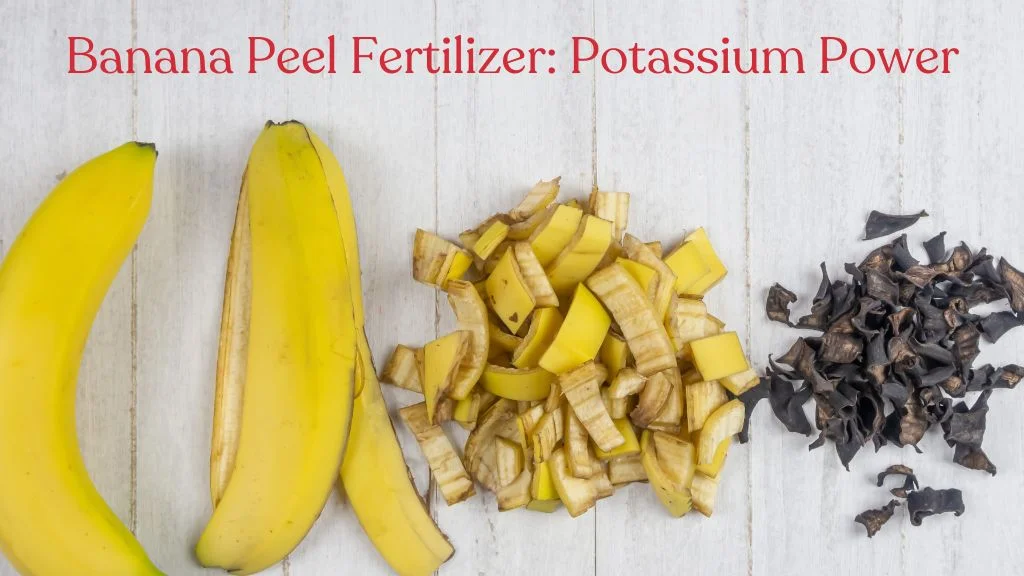
Potassium Booster: Banana Peel Fertilizer
Turn your kitchen waste into garden gold with a simple trick—banana peels! Packed with potassium, phosphorus, and calcium, these peels are a powerhouse of nutrients that boost plant growth, enhance flowering, and improve fruit development.
The best part?
They’re 100% organic and incredibly easy to use. Chop them up and mix them into the soil, soak them in water to create a nutrient-rich fertilizer, or bury them near the roots of your plants. From vibrant roses to bountiful tomato harvests, banana peels can transform your garden naturally.
Why Banana Peel Fertilizer?
- Rich in Potassium: Promotes strong stems and vigorous flowering.
- High in Phosphorus: Boosts root development and seed production.
- Eco-friendly: Reuses kitchen waste that would otherwise go to landfill.
- Versatile: Suitable for vegetables, flowers, and even indoor plants.
Methods to Make & Use Banana Peel Fertilizer
1. Banana Peel Powder

Steps:
- Collect banana peels and dry them under the sun or in an oven at a low temperature until they are crisp and dry.
- Grind the dried peels into a fine powder using a food processor or mortar and pestle.
- Store the powder in an airtight container to maintain its freshness.
How to Use:
- Sprinkle the powder around the base of plants, mixing it lightly into the soil.
- Alternatively, mix the powder into the soil before planting to give your plants a slow-release nutrient boost.
- This method is great for providing a steady supply of potassium and phosphorus as the powder breaks down over time.
2. Banana Peel Tea

Steps:
- Chop 2-3 banana peels into small pieces to increase the surface area for nutrient extraction.
- Soak them in 1 liter of water for 24-48 hours to allow the nutrients to infuse into the water.
- After soaking, strain the liquid to remove the peels and pour it directly onto the soil or use it for your plants.
How to Use:
- Banana peel tea is ideal for potted plants and smaller crops. Use it as a liquid fertilizer every 2 weeks for best results.
- You can store the tea in a bottle and use it as needed
- It’s a great way to give your plants a quick nutrient boost, especially during growing seasons.
3. Direct Application (Chop and Bury)

Steps:
- Cut banana peels into small pieces to speed up decomposition.
- Bury them about 2-3 inches deep around the base of your plants.
How to Use:
- This method works well for outdoor gardens, vegetable patches, or flower beds.
- Over time, the peels will decompose naturally, enriching the soil with vital nutrients.
- This method is particularly beneficial for long-term soil health, as it enhances the organic matter content in the soil.
4. Composting with Banana Peels
Steps:
- Add banana peels to your compost pile or compost bin.
- Layer them with dry leaves, straw, or other organic waste to ensure a balanced mix of green and brown materials.
- Turn the compost regularly to ensure it decomposes evenly.
How to Use:
- Once the compost is ready, use it as a top dressing for your garden or mix it into the soil for added fertility.
- Composting with banana peels not only benefits plants but also helps to improve the texture and structure of the soil over time.
5. Banana Peel Spray (Pest Deterrent)
Steps:
- Blend banana peels with water to create a smooth puree.
- Strain the mixture to remove any solid pieces, then pour the liquid into a spray bottle.
How to Use:
- Spray the banana peel solution directly onto plant leaves to deter aphids, ants, and other small pests.
- This natural remedy can protect plants without relying on harmful chemical pesticides, making it an eco-friendly pest control option.
- Apply every 1-2 weeks or when pest activity is observed.
Tips for Best Results
- Always use chemical-free banana peels, preferably from organic bananas, to ensure that no harmful pesticides or chemicals are added to the soil.
- Avoid over-fertilizing with banana peels. Too much potassium can harm some plants, especially those that prefer a balanced nutrient ratio.
- For indoor plants, banana peel tea or powder are great choices to prevent any potential odor from decomposing peels in the soil.
- If you’re using banana peels as a pest deterrent, be sure to test on a small area of the plant first to ensure there is no adverse reaction.

Banana peel fertilizer works wonders for a wide variety of plants, including:
- Flowering Plants:
- Roses, marigolds, hibiscus, and sunflowers all benefit from the potassium and phosphorus in banana peels, promoting vibrant blooms and healthy growth.
- Vegetables:
- Tomatoes, peppers, cucumbers, and zucchini are among the many vegetables that thrive on banana peel fertilizers, especially during their flowering and fruiting stages.
- Fruit Trees:
- Banana trees, mango trees, and citrus trees can all benefit from the nutrient-rich properties of banana peels. They help to improve flowering and fruit production.
- House plants:
- Indoor plants like snake plants, pothos, and spider plants will benefit from the slow-release nutrients, leading to healthier foliage and roots.
Conclusion
Banana peels are a simple, effective, and eco-friendly way to nourish your plants and improve the quality of your soil. By using banana peel fertilizer, you’re not only enriching the earth but also reusing a kitchen waste product that would otherwise end up in the trash. Whether you choose to make banana peel powder, brew banana peel tea, or compost the peels, the benefits are clear. Start today, and watch your plants thrive with the help of this powerful, natural fertilizer!
Click here to add your own text
Leave a Reply
Want to join the discussion?Feel free to contribute!